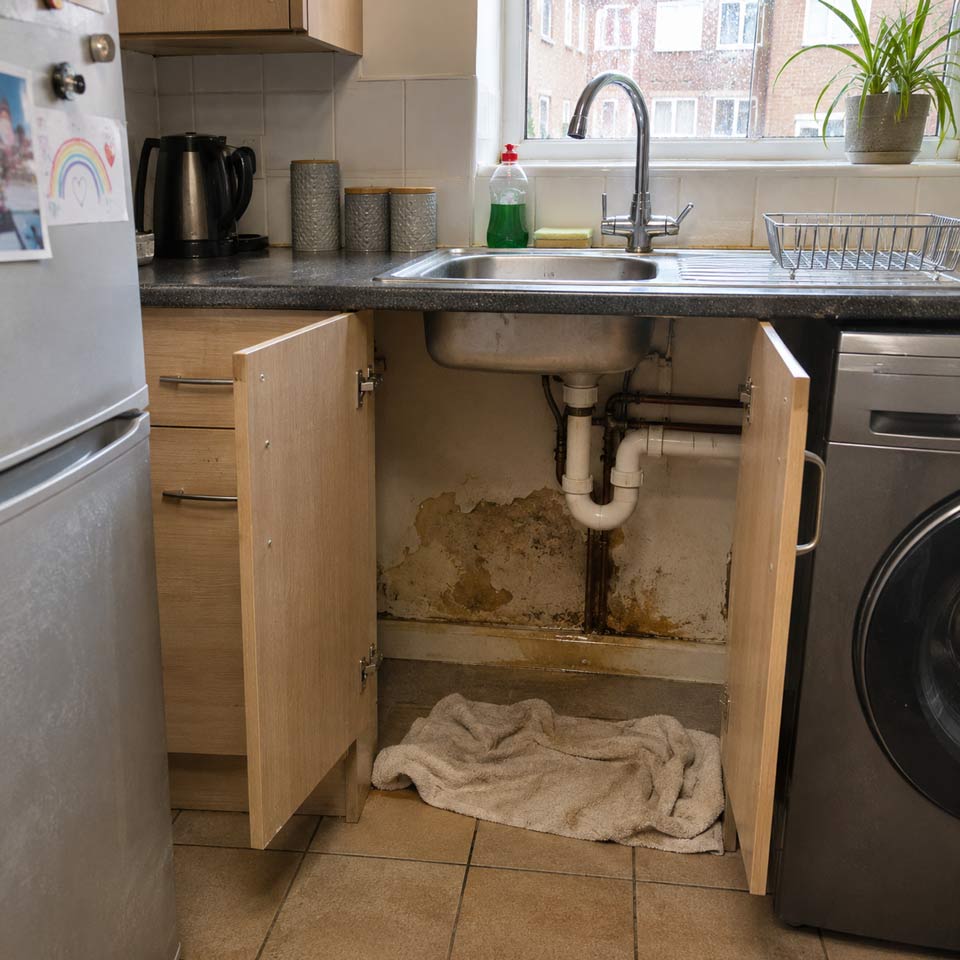
What laws protect social housing tenants in Luton?
Under section 11 of the Landlord and Tenant Act 1985, social landlords are usually responsible for repairing the structure, exterior and central service installations. Section 9A requires relevant homes to be fit for human habitation, and the Housing Act 2004’s hazard framework helps assess conditions that threaten health and safety. Not every defect automatically creates a compensation claim, particularly where the landlord lacked notice or did not have a reasonable opportunity to act.
Since 27 October 2025, qualifying emergency hazards and significant damp and mould in social housing have also been governed by Awaab’s Law deadlines. These include 24 hours for investigating and making an emergency hazard safe and 10 working days to investigate significant damp and mould, followed by five working days for safety action. On 17 November 2026, the extension to additional significant hazards was still scheduled to begin on 30 November 2026.
How the housing disrepair claim process works
Step 1: Check the occupation agreement
We confirm whether the home is council or association housing and whether any recent landlord transfer affects the paperwork.
Step 2: Reconstruct the reports
We ask for old and new repair references, photographs, email acknowledgements and any notice explaining a change of landlord.
Step 3: Identify the duty and risk
We consider the type of defect, its effect on occupants and any urgent safety obligations that may apply.
Step 4: Consider technical and financial evidence
An inspection may be needed to diagnose the problem; we also ask about documented expenses and loss of use.
Step 5: Explain legal costs and the formal route
We discuss the merits, funding options and the relevant housing conditions pre-action requirements.
Step 6: Seek a sensible resolution
We approach the responsible landlord and aim to agree repairs and any supported compensation. Many cases can conclude without a court hearing, though litigation may be necessary in a dispute.