The law governing Coventry housing association repairs
For many assured social tenancies, section 11 of the Landlord and Tenant Act 1985 governs repairs to the structure, exterior and key service installations. Section 9A addresses whether a home remains fit for human habitation and draws on the hazards considered under the Housing Act 2004. Legal duties do not make every planned upgrade or cosmetic imperfection an actionable repair.
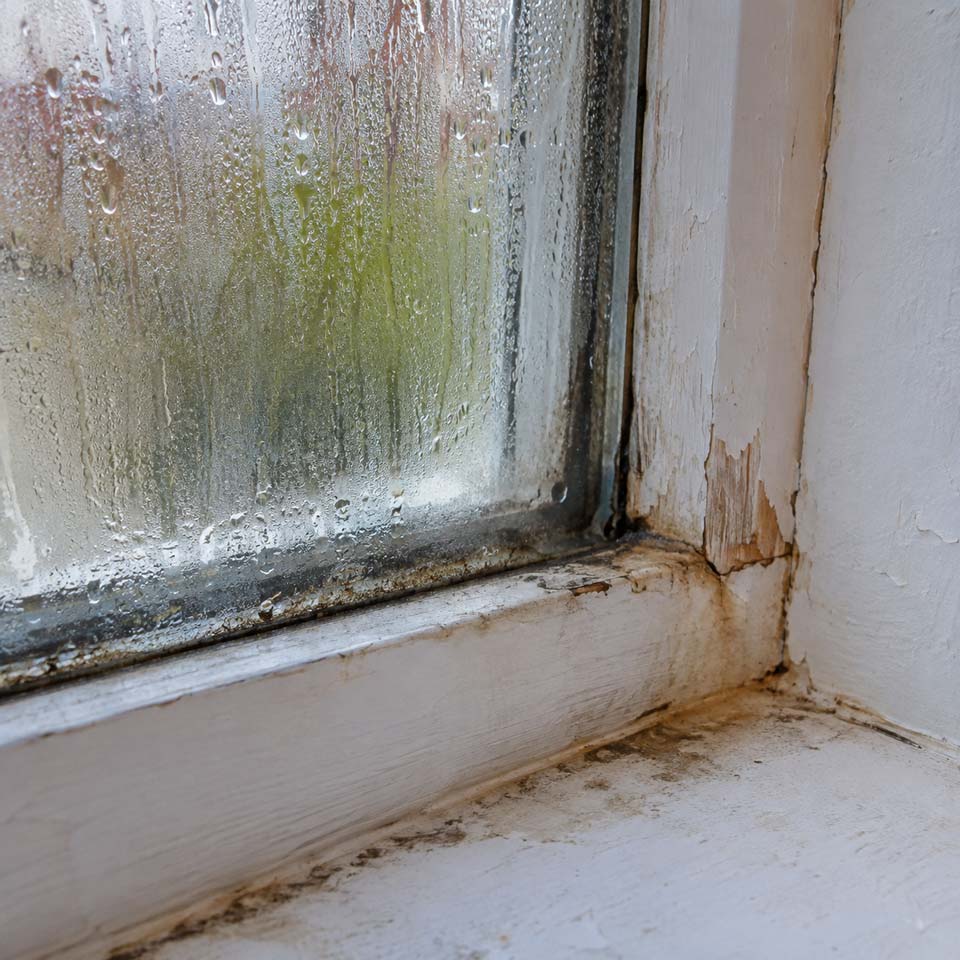
Awaab’s Law has imposed fixed deadlines since October 2025 for qualifying emergency hazards and significant damp and mould in social housing. For emergencies, the hazard must be investigated and made safe within 24 hours; for significant damp and mould, investigation is ordinarily required within 10 working days, with safety measures within five working days afterwards. The extension to additional significant hazards is scheduled for 30 November 2026, so it was not yet operative on 17 November.
How the housing disrepair claim process works
Step 1: Establish the actual landlord
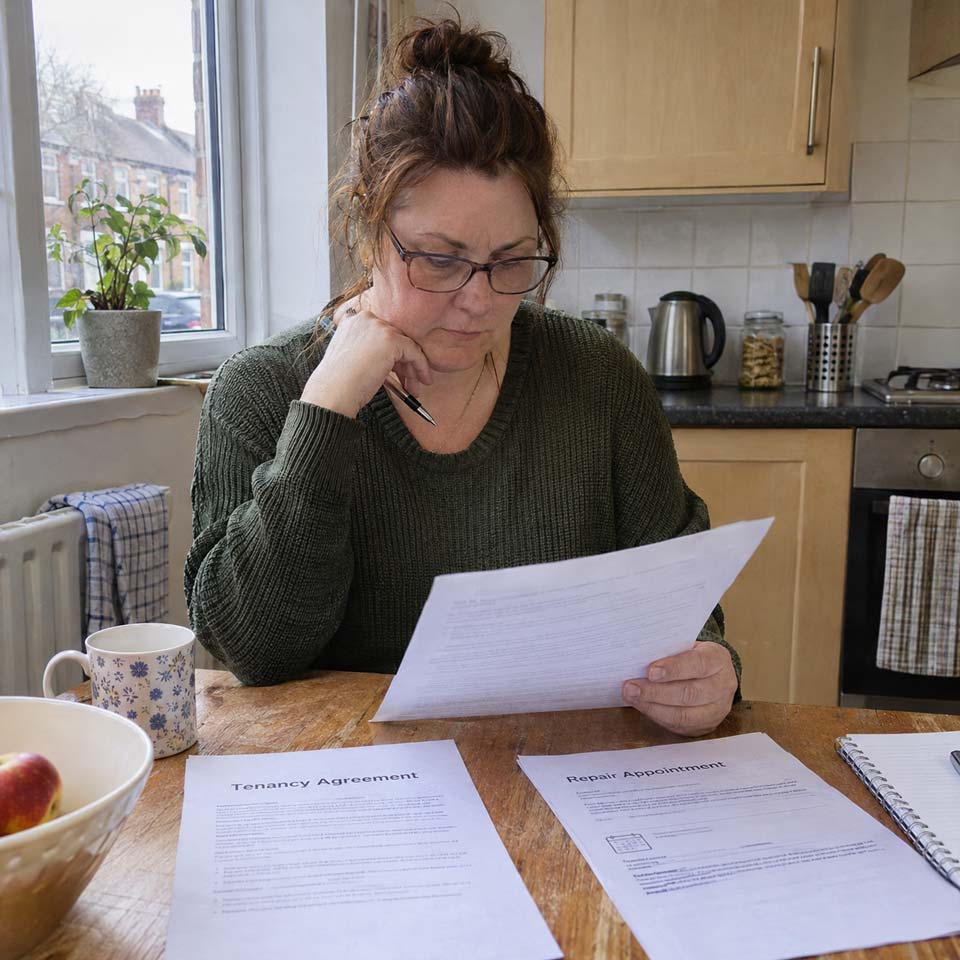
We ask for the tenancy agreement and repair correspondence, especially where a home was allocated through Coventry Homefinder.
Step 2: Record the outstanding issues
We identify whether the defect is structural, an essential installation, a hazard or something outside the landlord’s repairing obligations.
Step 3: Review notice and access
We consider when the landlord knew about the condition, appointments offered and whether repairs were completed or remain outstanding.
Step 4: Decide whether expert input is needed
A surveyor may be useful where damp origin, building movement or the adequacy of earlier works is disputed.
Step 5: Discuss legal options and funding
We set out the likely route, compensation principles and fees before you decide how to proceed.
Step 6: Pursue resolution
We use the housing conditions pre-action process to seek agreement on repairs and other justified remedies. Court proceedings are considered where negotiation cannot resolve the dispute.