Repair and fitness rights in Wakefield social housing
The Landlord and Tenant Act 1985 imposes duties, in applicable tenancies, to keep the structure and exterior in repair and maintain key services such as heating and hot water. Fitness for human habitation can be relevant even where the complaint concerns conditions rather than one easily identified broken item. The Housing Act 2004’s system for assessing hazards may assist in understanding risks to residents.
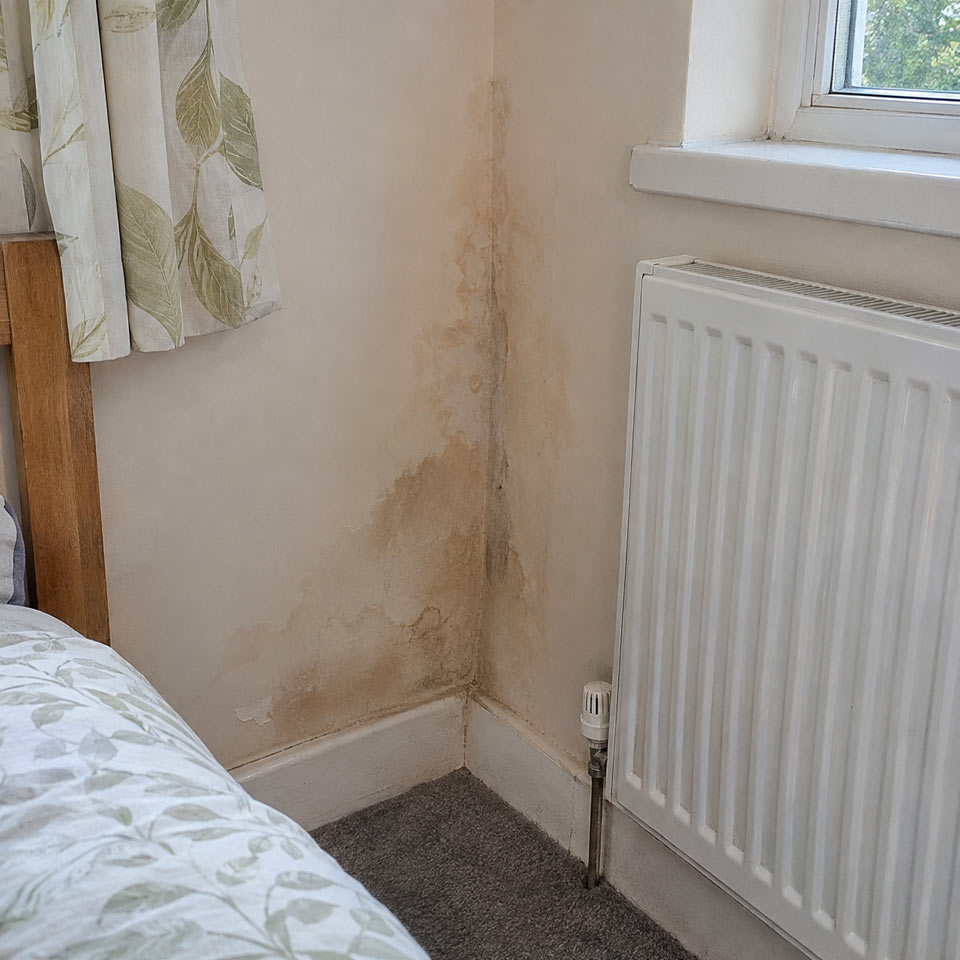
Awaab’s Law has covered emergency hazards and significant damp and mould in most social housing tenancies since 27 October 2025. The first-phase duties include acting within 24 hours for emergencies and investigating significant damp and mould within 10 working days, then making safe within five working days after investigation. As at 17 November 2026, the extension to other significant hazards was due on 30 November, and was not yet part of the operative first-phase requirements.
How the housing disrepair claim process works
Step 1: Confirm the provider
We examine your tenancy and any former WDH documents to identify the current landlord and relevant dates.
Step 2: Establish the repair history
We collect reports, job numbers, complaints, correspondence and photographs showing the effect of the defect.
Step 3: Consider the legal cause of action
We assess repair and fitness duties and whether an emergency or significant mould hazard engages additional time limits.
Step 4: Plan the evidence
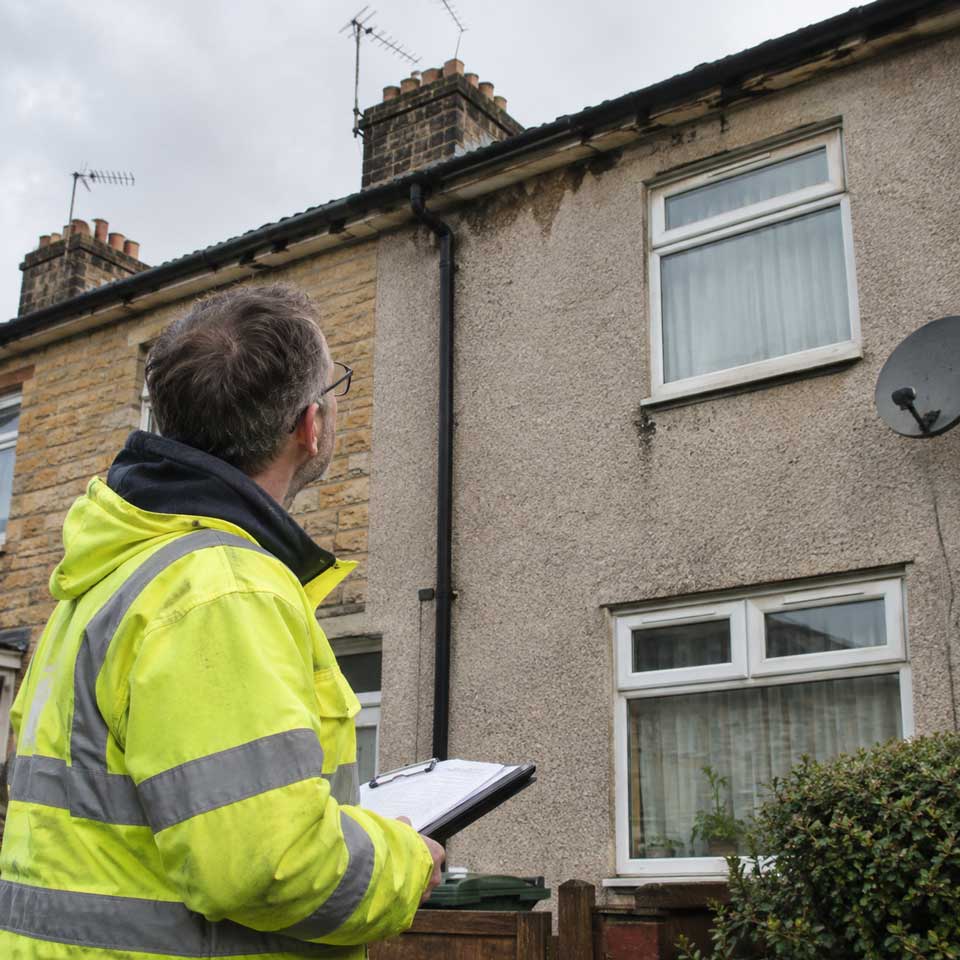
We may recommend a surveyor where the cause of water ingress, damp or structural damage is contested; we also consider evidenced financial losses.
Step 5: Discuss costs and send a claim where justified
We explain funding and the relevant housing conditions pre-action procedure before formally approaching the landlord.
Step 6: Work towards a resolution
We seek agreement on necessary repairs and any supported compensation. Many claims can settle without a final hearing, while disputed matters may require court proceedings.